Why Growing Las Vegas Firms Keep Paying For Systems That No Longer Work Efficiently
Most businesses treat outdated technology the same way people treat an old pair of shoes that should have been replaced months ago.
They still technically work, so they stay.
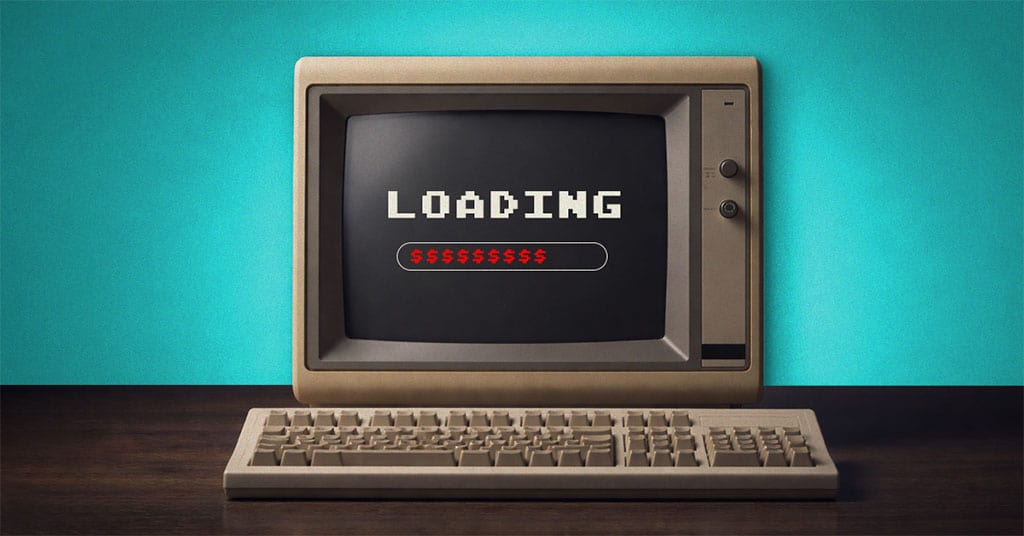
You notice the problems occasionally. A system takes too long to load. A laptop freezes during a meeting. A file takes longer to open than it should. An application hangs for a few seconds before responding again.
It is frustrating, but rarely disruptive enough to stop the workday completely.
So people adapt.
They restart the system. They refresh the application. They wait an extra few seconds and move on.
Over time, those delays become part of the normal routine.
For growing professional firms in Las Vegas and Henderson, that normalization creates a hidden cost that compounds every month.
At Some Point, “Still Working” Stops Being Efficient
Holding onto older systems often feels practical.
If the equipment still turns on, replacing it can seem unnecessary, especially when there are more immediate business priorities competing for budget and attention.
But outdated systems do not stay neutral.
Over time, they become increasingly expensive in ways that are easy to overlook.
Older hardware consumes more power, generates more heat, and struggles to keep pace with modern workloads. During Las Vegas summers, when cooling costs are already high, inefficient systems add even more strain to the environment around them.
At the same time, performance gradually declines.
Tasks that used to feel instant begin taking longer. Applications lag. Files take extra time to open. Employees wait on systems more often than they realize.
The workday continues, but momentum slows.
And in professional firms where responsiveness, billable productivity, and client communication matter, those small delays carry operational consequences.
Then the interruptions become routine.
Systems freeze unexpectedly. Connections drop. Devices need to be restarted regularly just to keep moving. None of those interruptions feel catastrophic individually, but each one breaks focus, interrupts workflow, and pulls attention away from productive work.
Eventually, the business adapts to inefficiency instead of resolving it.
That is usually the point where outdated technology starts costing more than it saves.
What Changes When The Problems Go Away
When outdated systems are finally replaced, the difference is usually noticeable immediately.
The workday becomes smoother.
Systems start when they are supposed to. Applications respond consistently. Employees stop building temporary workarounds into their routines. Restarts and troubleshooting stop interrupting meetings and client work.
People spend more time working and less time waiting.
Newer systems also operate far more efficiently. They consume less power, generate less heat, and perform more reliably under modern workloads. Over time, operational costs tied to inefficiency, downtime, and lost productivity begin to decline.
Most importantly, technology fades back into the background where it belongs.
That shift matters more than many firms realize.
Because the real value of stable systems is not speed alone.
It is consistency.
Why This Matters More As Firms Grow
For firms in the 40–150 employee range, inefficiency scales quickly.
A five-minute delay affecting one employee is frustrating.
The same delay affecting multiple departments, multiple workflows, and multiple client interactions becomes operational drag.
Professional firms handling financial reporting, legal documentation, advisory work, or investor communication rely heavily on responsiveness. When systems are unreliable, productivity slows quietly across the organization.
Not because people are not working hard.
Because the tools supporting them are no longer keeping up.
And in competitive markets like Las Vegas, where client experience and operational consistency matter, that friction becomes increasingly expensive over time.
The Takeaway
Most firms do not realize how much outdated technology is costing them because the impact rarely appears all at once.
It shows up gradually.
A little more waiting.
A few more interruptions.
A little more frustration every week.
Until inefficiency becomes part of the normal workday.
The issue is not whether the technology still functions.
It is whether it still supports the business efficiently.
For professional firms, that distinction matters.
Because systems that quietly slow the business down still cost money every single day.
Next Steps
If your systems are operating efficiently, your team is not constantly troubleshooting small issues, and your technology supports the pace of the business, you are already ahead of many firms your size.
But if slow systems, recurring interruptions, and aging hardware have become part of the routine, it may be worth evaluating what those inefficiencies are actually costing the business over time.
We work with professional firms across Las Vegas to identify outdated systems, reduce operational drag, and build practical upgrade plans that support long-term growth without unnecessary complexity.
If you would like a quick, no-pressure conversation, call 702-605-9998 or schedule a short strategy call.
No overselling. No unnecessary upgrades. Just practical guidance on what is worth replacing, what can wait, and how to keep technology from becoming a daily obstacle.
Because outdated systems rarely fail all at once.
They slowly drain time, focus, and productivity until the business finally notices.